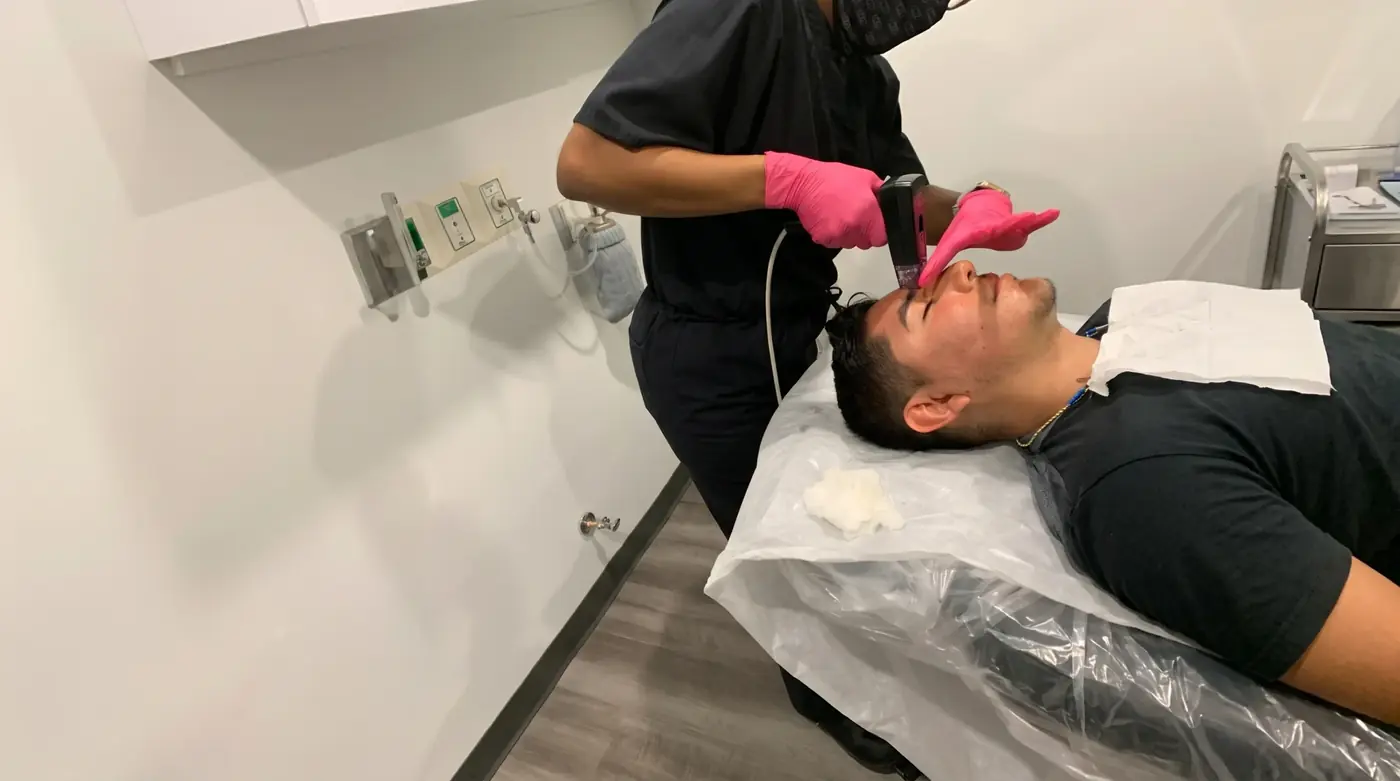
PRP vs. PRF for Under-Eye Rejuvenation: Which Regenerative Treatment is Right for You?
Under-eye rejuvenation has become one of the most requested aesthetic treatments among people who want natural results without relying heavily on fillers. Concerns like hollowness, fine lines, dark circles, and changes in skin texture often appear early because the under-eye area is one of the most delicate areas of the face. Today, many patients are turning to regenerative therapies that use the body's own biology to improve skin quality and revitalize tired eyes. PRP and PRF have quickly become top choices for those seeking an under-eye treatment that supports natural healing, encourages collagen production, and restores a more youthful appearance.
This article explains the key differences between PRP and PRF, how these regenerative treatments work, and which option may be the better choice for your unique needs.
Contents
What Causes Under-Eye Concerns
Thin skin, reduced elasticity, and a decline in collagen production make the under-eye area especially vulnerable to early signs of aging. As collagen and elastin break down, fine lines become more visible, and volume loss creates hollowness that exaggerates dark circles. A decrease in blood flow can also contribute to discoloration and tired looking eyes. Because of these natural changes, many people seek skin rejuvenation options that avoid additives and instead work with the body to support healthier tissue.
Understanding PRP
Platelet-rich plasma, or PRP, is a long established regenerative treatment created from the patient's own blood. During the process, a small amount of blood is collected and placed into a centrifuge that spins at high speeds. This separates the components and isolates a higher concentration of platelets. These platelets release growth factors that support tissue regeneration, collagen stimulation, and improved skin health.
How PRP Works for Under-Eye Rejuvenation
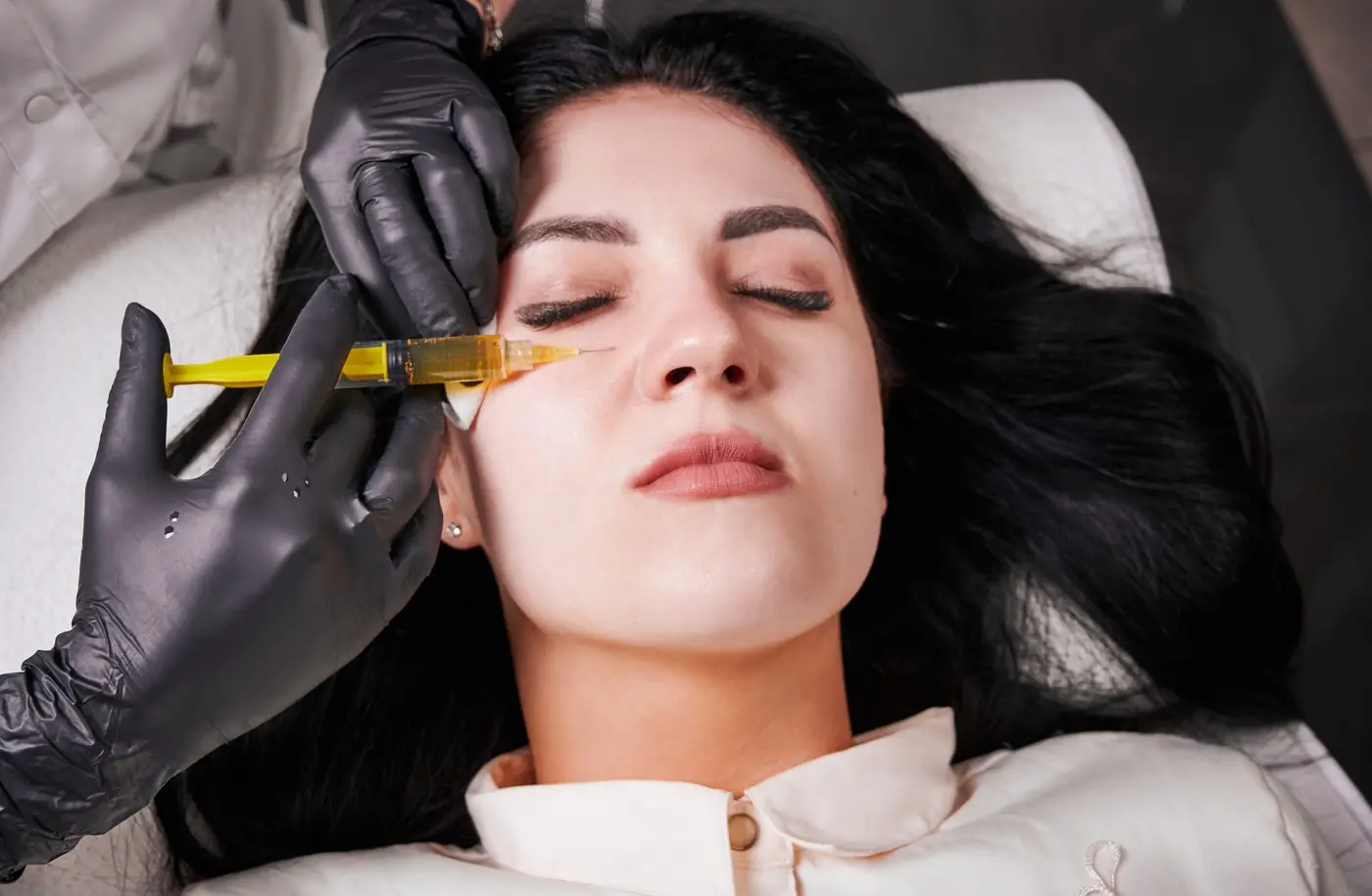
In PRP under-eye treatment, the platelet rich plasma is injected into the delicate tissues below the eyes. The growth factors immediately get to work promoting collagen production, boosting elasticity, and helping repair damaged skin cells. Over time, patients notice smoother skin texture, better skin tone, and a subtle improvement in dark circles and fine lines. Because PRP uses a patient's own blood, the treatment is natural looking and does not involve synthetic fillers.
Benefits of PRP
PRP has become popular in aesthetic treatments because it supports natural healing and offers minimal downtime. Some of the most recognized benefits of PRP include improved skin quality, enhanced collagen stimulation, and gradual rejuvenation that fits seamlessly into a patient's facial rejuvenation plan. It is also widely used in other fields of regenerative medicine, including hair restoration and acne scar improvement.
Limitations of PRP
Although PRP is effective, the release of growth factors happens relatively quickly. This means that multiple sessions are often needed to achieve stronger results in the under-eye area. For those with significant hollowness or advanced dark circles, PRP may not be the most dramatic option.
Understanding PRF
PRF, or platelet rich fibrin, is considered the next-generation version of platelet treatments. It is created using the patient's own blood and processed in a centrifuge at a slower speed. This lower speed keeps the natural components more intact and creates a product with a higher concentration of platelets, white blood cells, stem cells, and a fibrin matrix. Unlike PRP, PRF does not require anticoagulants or additives, allowing it to form a natural clotting structure once injected.
How PRF Works for Under-Eye Rejuvenation
The key advantage of PRF is its ability to provide sustained release of growth factors. As the fibrin matrix slowly breaks down, the under-eye area receives continuous support for tissue repair and collagen production. This supports longer-lasting results and often delivers a more noticeable improvement in volume loss, hollowness, and crepey texture. PRF treatments are especially beneficial for delicate areas that require gentle, ongoing rejuvenation.
Benefits of PRF
Many patients choose PRF because it offers enhanced regenerative potential and a more robust tissue repair response compared to PRP. Benefits of PRF include stronger collagen stimulation, longer lasting results, and improvement in skin texture and tone. PRF injections can restore a natural youthful appearance without relying solely on fillers, making it a preferred option for those who want natural results.
Limitations of PRF
Because PRF contains a natural clotting structure, patients may notice temporary puffiness in the under-eye area immediately after treatment. This is normal and usually resolves quickly. The thicker consistency of PRF also requires an experienced injector to ensure smooth and natural-looking results. Although it produces powerful benefits, it may involve slightly more downtime than PRP.
PRP vs PRF: Key Differences
Although both treatments use a patient's own blood to revitalize the under-eye area, their differences are significant. PRP relies on a higher speed centrifuge process and provides fast acting but shorter lived release of growth factors. PRF is processed at a slower speed, maintains a richer concentration of platelets and white blood cells, and creates a fibrin matrix that ensures extended tissue regeneration. These key differences make PRF a stronger choice for patients seeking longer-lasting results, more volume restoration, and deeper collagen support.
The Treatment Experience
Both PRP and PRF procedures begin with a simple blood draw. The sample is then placed into a centrifuge where it is processed according to the selected treatment. PRP results in a clear golden plasma while PRF develops into a thicker, more concentrated product. During the procedure, the injector places the solution into the under-eye area using either a fine needle or cannula to ensure precision and comfort.
Aftercare and Downtime
After PRP or PRF injections, patients may experience mild swelling, slight redness, or a feeling of fullness that typically resolves within a few days. These regenerative therapies involve minimal downtime compared to fillers or surgical options. Most people can return to normal activities quickly but should avoid strenuous exercise or heavy skincare products for 24 hours. Improvements appear gradually as collagen develops and tissue repair progresses.
Who Is a Good Candidate
Ideal candidates for PRP or PRF under-eye rejuvenation include individuals with mild to moderate hollowness, fine lines, dark circles, or changes in skin quality. Those who prefer non synthetic options and want results that support long term skin health often benefit the most. Patients who are sensitive to additives or concerned about allergic reactions are also excellent candidates, since both PRP and PRF rely solely on the patient's own blood.
How Many Sessions Are Needed
PRP typically requires a series of three or more sessions to achieve noticeable under-eye rejuvenation. PRF treatments often require fewer appointments because the sustained release of growth factors leads to greater collagen stimulation. Maintenance every six to twelve months helps preserve results for both treatments.
Safety and Side Effects
Both PRP and PRF are considered safe because they use components from the patient's own blood. This reduces the risk of allergic reactions and makes the treatments suitable for a wide range of skin types. Minor side effects such as puffiness, tenderness, or bruising may occur but usually fade quickly. Choosing a skilled provider or med spa ensures proper technique and optimal results.
Choosing Between PRP and PRF
PRP is an excellent choice for patients seeking gentle rejuvenation and steady improvement in skin tone and texture. It works well when combined with other aesthetic treatments such as microneedling, botox, or skincare plans. PRF, on the other hand, is ideal for those who want a stronger under-eye treatment with longer-lasting results. It is especially beneficial for addressing hollowness, crepey skin, and deeper signs of aging.
Combining PRP or PRF With Other Treatments
Both PRP and PRF pair well with microneedling, laser resurfacing, and targeted skincare routines aimed at improving skin quality. These combinations often produce enhanced facial rejuvenation since they stimulate the skin's healing response from multiple angles.
Conclusion
Both PRP and PRF offer effective regenerative treatments for under-eye rejuvenation. PRP supports subtle improvements and fits well into a comprehensive med spa plan, while PRF provides a stronger boost in collagen production and more noticeable long-term benefits. Understanding the strengths of each treatment helps patients choose the option that best matches their concerns and aesthetic goals. Whether you choose PRP or PRF, these regenerative therapies offer a natural way to revitalize the under-eye area and support a refreshed, youthful appearance.
Last updated: